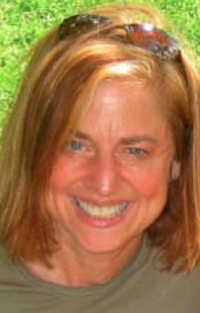
Laine Goldman, Ph.D.
Associate Professor in the Department of Arts & Humanities
National University
Torrey Pines, California
Phone: 336-749-7687
Email: lgoldman@nu.edu
Universiteit van Tilburg / Tilburg University:
Doctorate in Social and Behavioral Sciences, Appreciative Inquiry and Social Construction
2009 – 2013
My dissertation through the Taos PhD program, The Migrant Creative: U.S. Media Freelancers at the Border of a Changing Work Culture, examines new media and entrepreneurial work through polyvocal conversations with eleven multimedia freelancers. These career improvisers include: Jimi Izrael, a commentator on NPR’s The Barbershop; Kasumi recent Guggenheim recipient and experimental media artist; Steven Tatar entrepreneur Ohio Knitting Mills, Internet designer and former creative head of America Greetings; Kate Farrell, executive reality producer at WE-tv; Marc Jaffe, former comedy writer for Seinfeld and philanthropist; Alan McElroy a screenwriter whose latest project is scheduled to be produced by X-Men’s Ralph Winter; Bill Cavanaugh, audio M-TV, VH1, and the History Channel; Carol E. Beck videographer for Mercedes Benz, Panasonic, etc. while also documenting the Emory-Tibet Partnership; Sheryl White, copywriter for national clients; Ayad Rahim, former NY Times blogger; and Laura Paglin documentarian.
Award-winning writer, researcher, educator and inquisitive social scientist engaged in all facets of developing targeted multimedia, education, and creative projects. Appreciative practices encourage high-level collaboration, improvisation, welcome diverse perspectives, and invite a team-building approach when it comes to strategy, talent development, presentation, training, and organizational change.
PROFESSIONAL EXPERIENCE AND EXPERIENTIAL SKILLS:
- 10+ years as a media educator; expertise as a writer and producer on national accounts; versed in all facets of social imedia and technologically savvy; possess a good intuitive awareness of what’s relevant, interesting, and trending
- Experienced writer and educator with a pulse on audience engagement and able to deliver accessible insights on a variety of topics in many formats (e.g. website development, PR, PSA, reports, grants, articles, marketing campaigns, radio, television, proposals, and presentations); writing style was described by a dissertation committee member as – “Genre breaking — scholarly, artistic, practical mixed into one.”
- Detailed researcher, social scientist, and observer with a critical understanding of popular, global culture; able to convey information in a professional and relatable style
- Social Construction and Appreciative Inquiry leadership style for engaging team building, curriculum & training development, improvisation, and other creative processes; open to creating something new together
- Qualitative researcher and social ethnographer; ability to enter many cultures and feel comfortable whether it is academia or entrepreneurial environments; driven by curiosity and a willingness to listen to divergent ideas
- Understand the motivation that students of all ages need when it comes to lifelong learning — a sense of purpose, passion, and play
Book by Laine Goldman:
- Innovation at the Crossroads: An Appreciative Approach to Innovation, Leadership and Communication Copy Laine Goldman – Innovation at the Crossroads: An Appreciative Approach to Innovation, Leadership and Communication
Professional Awards & Grants:
- Professional Development Grant for Research, Winston-Salem State University
- Self Magazine — Finalist Technophobe Makeover Contest
One of 20 finalists out of 1,500 - Ohio Arts Council Grant, Horizontal Mambo and other Honeymoon Tales
- Ohio Arts Council Grant,, Horizontal Mambo and other Honeymoon Tales
- Center for New TV NEA Regional Fellowship, (HMOT)
- Full Graduate Scholarships in Telecommunications, Film and African Studies